

The Best Yarn for Amigurumi: A Complete Guide
Amigurumi is a crochet project that is versatile and exciting, but choosing the right yarn can make a big difference to your final product. The fiber, weight, and texture you use will affect everything from how neatly your stitches show to how durable and cuddly your finished toy feels. This guide explores the best yarn options for amigurumi so you can pick the perfect match for your next project.
Shop crochet, yarn and amigurumi supplies
What is amigurumi?
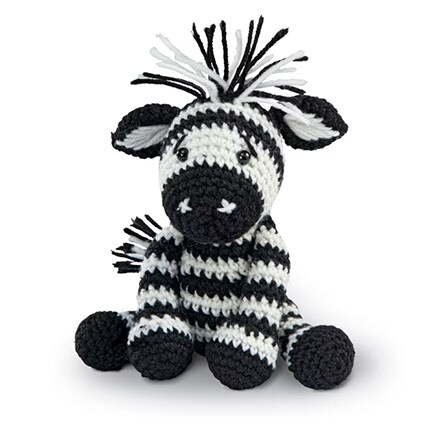
Amigurumi is the Japanese craft of crocheting or knitting small stuffed figures, most often animals, dolls, food, or objects. The name combines “ami”, meaning crocheted or knitted, with “nuigurumi”, meaning stuffed doll.

More about Amigirumi:
Rounded shapes, oversized heads, and expressive features give amigurumi creations their distinctively cute and playful look. While rooted in Japanese kawaii culture, amigurumi has become popular all over the world as both a hobby and a form of handmade art thanks to its creativity, charm, and adaptability. Tightly stitched yarn helps amigurumi creations hold their shape and keep the stuffing inside where it belongs, so choosing the right yarn for your project is key. You might find it differs from what you’d tend to use for garments or blankets.
What to Consider When Choosing Amigurumi Yarn
Before grabbing any skein of yarn, take some time to think about your amigurumi project. What is its intended purpose? A cuddly toy for a child, a decorative collectible, or a detailed display piece? Different yarns suit different projects.
Here are some key factors to consider:
- Stitch definition: Smooth, light-colored yarns result in clear stitches to create a neat and polished amigurumi that is easily identifiable.
- Durability: Yarns that resist pilling or fraying will hold up better over time, especially if your amigurumi is handled frequently.
- Texture: Smooth yarns highlight details, while fluffy yarns add softness.
- Weight: Most amigurumi are made with lightweight yarns to keep shapes manageable and overall weight down.
- Color: Choose lighter or solid colors to see stitches clearly. Matte finishes photograph better and show shaping.
- Safety: If the toy is for children, sturdy yarn and tight stitches are essential to prevent stuffing and small parts from slipping out.
Best Yarn for Amigurumi by Fiber Type
Cotton YarnCotton is one of the most popular yarns for amigurumi, and for good reason. This natural fiber yarn produces smooth stitches that highlight detail, it's also very durable and it retains its shape well without stretching. | Pros of cotton yarn for amigurumi:
| Cons of cotton yarn for amigurumi:
|
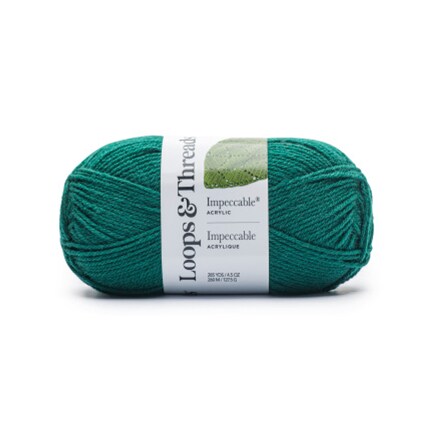
Acrylic YarnAcrylic yarn is favorite for beginners, acrylic yarn is soft and very easy to work with. Synthetic fibers are also less likely to shrink in the wash. | Pros of acrylic yarn for amigurumi:
| Cons of acrylic yarn for amigurumi:
|
Chenille Yarn A favorite for making ultra-soft, plushie-style amigurumi, chenille yarn gives a fuzzy and velvety texture. However, it can be a bit trickier to work with since the stitches are harder to see - making it better for use by advanced crocheters. | Pros of chenille yarn for amigurumi:
| Cons of chenille yarn for amigurumi:
|
Other Yarns for Amigurumi
Experiment with your favorite yarn materials or try something new entirely; amigurumi isn’t exclusive.
Here are some other types of yarn to try for your next amigurumi project:
Wool Yarn
Wool yarn adds warmth, elasticity, and durability to amigurumi. It’s less common than cotton or acrylic because it can be more expensive, but it’s an excellent choice for special keepsakes and timeless pieces.
Blended Yarn
Blends combine the best qualities of different fibers into one versatile yarn. For example, the crisp stitch definition of cotton and the softness of acrylic result in a soft amigurumi with structure and durability.
Novelty Yarn
From sparkly fibers to textured yarn, novelty yarns are best used for accents or details like hair, accessories, or clothing rather than the whole body of a figure, as they can obscure stitches and make shaping harder.
Fun Amigurumi Kits & Projects
Discover all‑inclusive crochet kits and guided amigurumi projects designed for stress‑free crafting and cute results—every time.

FAQs
What is the best yarn for beginners making amigurumi?
Acrylic or cotton blend yarns in worsted weight are the best choices for beginners due to their ease of use and stitch clarity.
Can I use any yarn for amigurumi?
While you can experiment with many yarn types, smooth, durable yarns with minimal fuzz produce the best results.
Is cotton or acrylic better for amigurumi?
Cotton offers superior stitch definition, while acrylic provides flexibility, affordability, and softness. Both work well depending on your project goals.
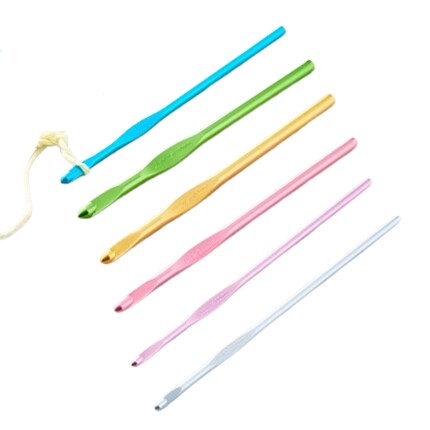
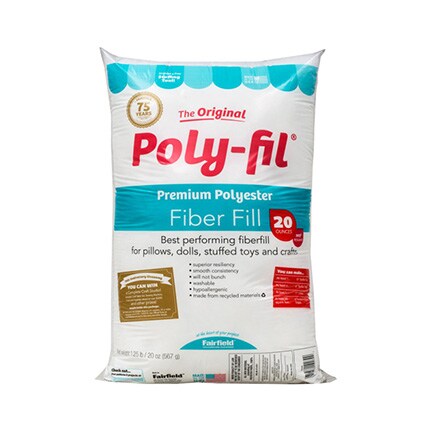
At Michaels, you’ll find a wide selection of yarns perfect for amigurumi projects—from beginner‑friendly acrylics to premium cottons and specialty textures. Pair your yarn with the right crochet hook, stuffing, and accessories to bring your amigurumi ideas to life.
We would love to hear from you!