

What is the best and warmest yarn for winter?
When frosty mornings roll in and evenings call for thick blankets and steaming mugs, nothing beats the comfort of crafting with the best yarn for winter. Whether you’re knitting a chunky throw, crocheting a cozy scarf, or creating the perfect winter sweater, the right yarn can transform your project from simply “warm” to truly winter-proof.
In this guide, we’ll break down what makes a yarn winter-worthy, explore the warmest yarn fibers, and help you choose the perfect match for your project so you can craft creations that are as durable as they are cozy.
What is winter yarn?
Winter yarn is designed with insulation and comfort in mind. The fibers are often thicker, denser, or naturally insulating, helping trap body heat even in sub-zero temperatures. Qualities to look for include:
- Warmth & insulation:Fibers that naturally trap air keep warmth in.
- Moisture resistance: Some yarns wick moisture away, keeping you dry when layering up.
- Durability: Clothing and garments must withstand regular wear and washing.
- Softness: Comfort is key, especially for garments worn close to skin.
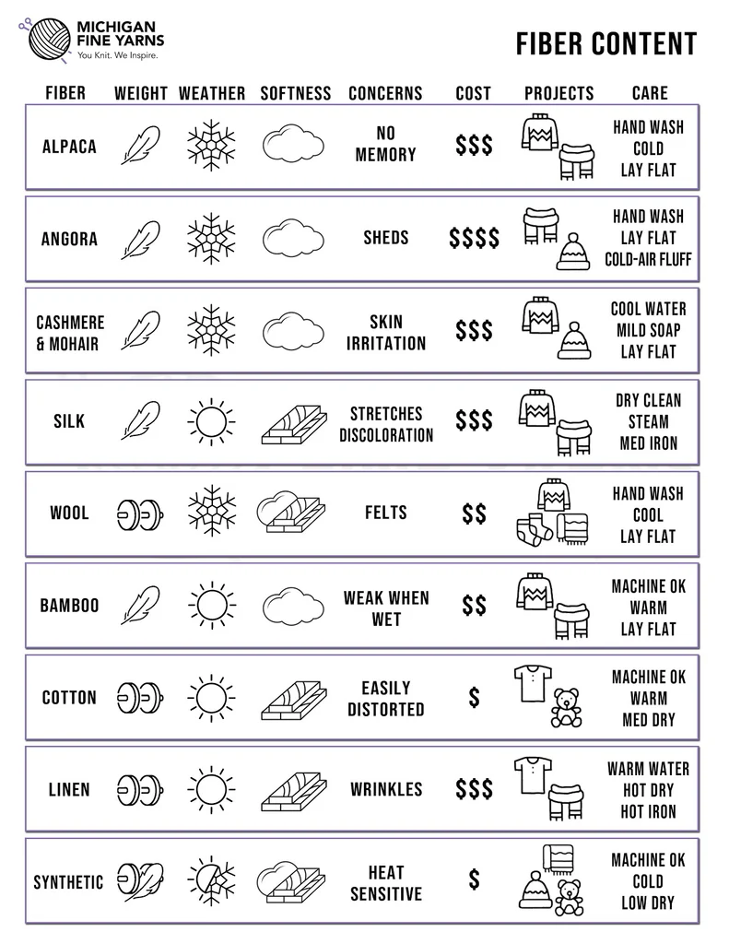
While synthetic yarns can work for wintertime projects, natural fibers like wool, alpaca, merino and cashmere are renowned for their warmth and softness. Let’s look at the best options.
Merino wool
Merino wool is widely considered the best yarn for winter because it combines softness, breathability, and warmth in one. The fine fibers make it far less itchy than traditional wool, and its moisture-wicking properties keep you warm without overheating.
Best for: Sweaters, cardigans, blankets, hats, and base layers — perfect for projects you’ll use often in the cold.
Alpaca yarn
Alpaca yarn is prized for being softer and warmer than sheep’s wool while also being hypoallergenic. The hollow core of the fiber traps more heat, making it ideal for the coldest conditions. Alpaca yarn is stiffer compared to Merino and is usually blended with wool for the best silky texture. Alone, it can be quite an itchy material, so is not often used for clothing.
Best for: Scarves, hats, sweaters, mittens, and winter wraps.
Cashmere yarn
If luxury and warmth are your goals, cashmere is one of the warmest and softest yarn in its weight category. It’s resilient like wool, ultra-soft, fine, lightweight, and insulating but often comes with a premium price tag. Being a more delicate yarn, it can also be quite tricky for beginners to work with.
Best for: High-end sweaters, scarves, and accessories you’ll treasure.
Silk yarn
While silk isn’t typically thought of for winter, its natural insulation and elegant drape make it a great choice for layering pieces. Often, it’s blended with wool to add sheen and softness.
Best for: Draped garments, shawls, and blended yarn projects.
Yak yarn
Yak fiber rivals cashmere in softness and warmth, often at a more affordable price. Its short, fine undercoat fibers provide incredible insulation without feeling bulky. Unlike synthetic fibers, yak wool is fully breathable and naturally moisture-wicking, making it ideal for both everyday wear and outdoor adventures.
Best for: Everyday winter garments, blankets, socks, mittens, and any project that needs to withstand regular wear and washing.
Other things to consider when choosing yarn for winter projects
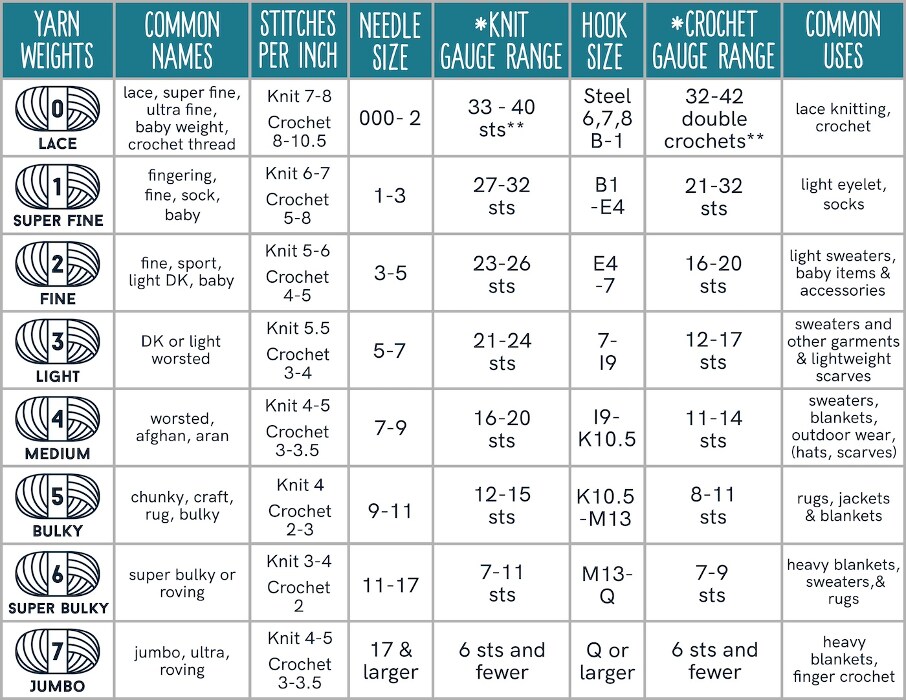
Aside from fiber type, you’ll want to think about yarn weight. Chunkier yarns create denser, warmer fabrics, while worsted weights offer a balance between warmth and versatility.
Using chunky yarn
Chunky yarn is a favorite and often the best yarn for chunky blankets as it works up quickly and produces thick, warm throws.
Tip: Larger needles or hooks are needed, and for super chunky yarn, arm knitting is perfect for creating cozy throws.
Using worsted weight yarn
Worsted weight yarn is the middle ground between light and bulky. It’s warm enough for sweaters and scarves but lightweight enough for more delicate winter garments.
Which yarn should you choose? The best yarn for winter projects
Your project often determines your yarn choice. Below we have included some of our favorites for specific winter projects based on their primary features, affordability and availability:
Choosing the best yarn for winter comes down to understanding your project needs and the properties of different fibers. Whether you’re after the warmest yarn for braving the outdoors, a chunky yarn for a blanket, or a soft, stylish material for everyday wear, the right yarn choice will ensure your winter makes are as functional as they are beautiful. Shop our full range at Michaels to find the perfect yarn for you!
We would love to hear from you!